Available Now
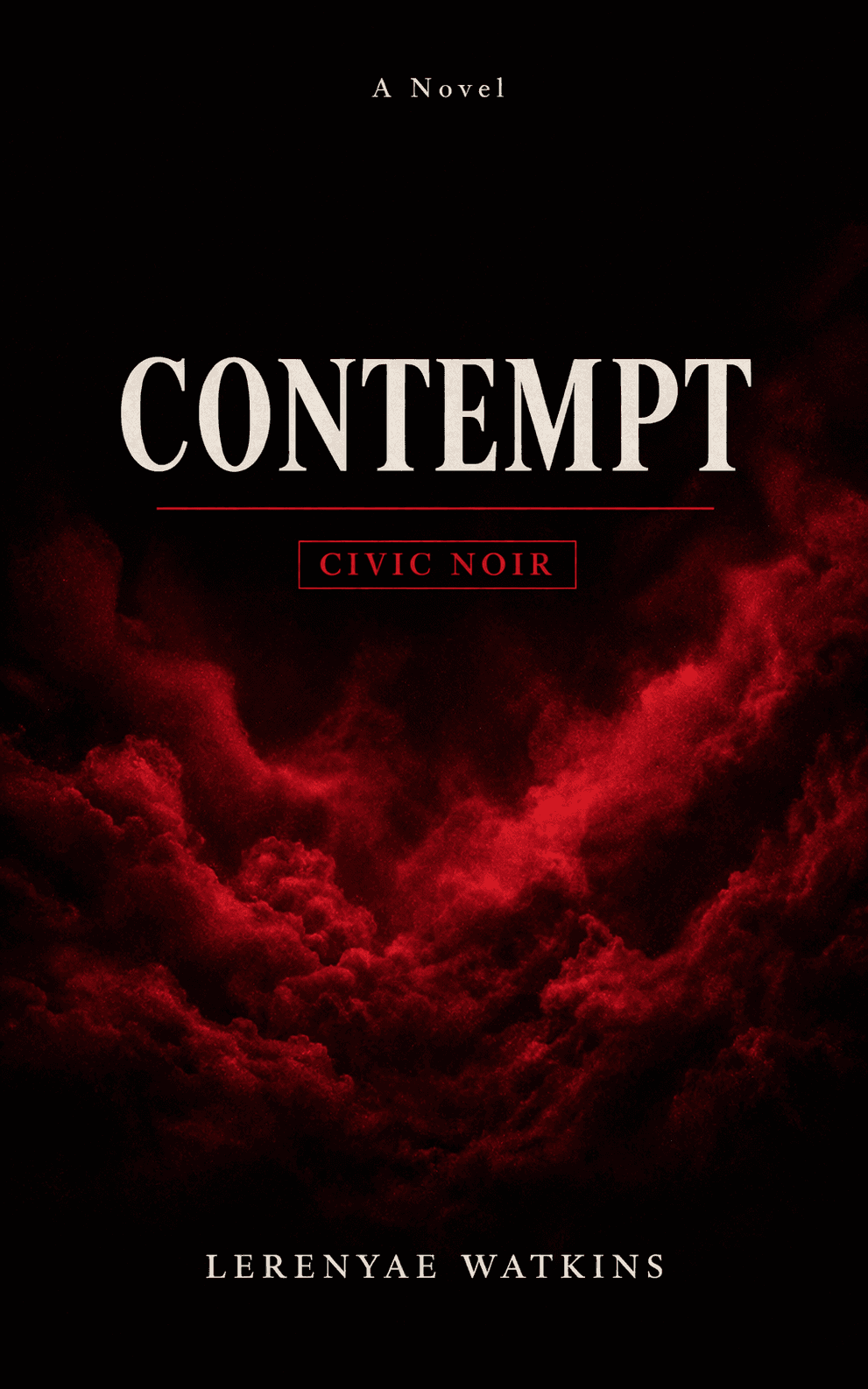
About the Book
“A deputy mayor is dead. An eighteen-year-old sits in county on prints from a gun that went missing weeks before the murder. The attorney who built the defense died on the courthouse steps before the trial began — leaving his son to inherit the case, the firm, and the files that were never supposed to surface.”
Baltimore, 2006. A deputy mayor is shot dead at a community rally. An eighteen-year-old Italian-American kid from Conkling Street sits in county because his fingerprints were on a gun that vanished from his family’s restaurant weeks before the killing. The State has a timeline, a motive built on one public outburst, and a city that needs someone to blame.
Shawn Davidson wasn’t supposed to be here. Two years gone from Baltimore, two years trying to outrun his father’s name. But when Leo Davidson — the most powerful defense attorney the city has ever produced — collapses on the courthouse steps with the Moretti case file in his briefcase, Shawn inherits everything: the trial, the firm, and a set of buried files that prove the case was never built to find the truth.
Across town, a demoted detective trades favors with the same dirty hands that built the prosecution — because the only way to protect the people he loves is to play the game that could bury them all. A photojournalist chasing a missing witness discovers that the money trail beneath the city’s waterfront development leads straight back to the courthouse. And inside a visiting room with scratched glass and bolted chairs, a mother rides the 21 bus to tell her son to hold his frame.
No heroes. No clean wins. Just a city that runs on leverage and the people caught in its machinery.
Behind the Book
What made this story necessary.
I didn’t set out to write a legal thriller. I set out to write about a city that works exactly the way it was designed to — and what that costs the people who live inside it.
The seed was a question: What happens when a young man is charged with a murder that an entire political infrastructure needs him to have committed? Not because anyone believes he did it. Because the alternative — following the money, tracing the permits, reading the real timeline — implicates the same people who sign the checks, approve the developments, and hold the press conferences about progress.
Antonio Moretti is eighteen. He’s the son of immigrants who ran a restaurant on a block the city rezoned for a waterfront project nobody in the neighborhood asked for. He spoke at a public meeting because his uncle told him someone should. Two months later, a deputy mayor is dead and Antonio’s fingerprints are on a gun he never fired. That’s not coincidence. That’s choreography.
Every character in this novel carries a version of the title. Contempt for the system. Contempt for the people the system was built to serve. Contempt for the truth when it threatens the narrative. And underneath all of it, the quiet, unshakable contempt a city holds for anyone who stands up and says this isn’t right — because standing up disrupts the machinery.
I wrote this book because I wanted to show what a murder trial really is: not a search for truth, but a negotiation between institutions over whose version of events gets to survive. The courtroom is where the negotiation happens in public. The verdict is where it ends. Everything else — the zoning files, the shell companies, the witness transfers, the sealed motions — is where the real story lives.
Baltimore gave me the geography. The legal system gave me the structure. The characters gave me the nerve.
Themes